Dentist or dental hygienist: who do you need?
"Should I see the dentist or the dental hygienist?" It is a question we hear regularly at our practice in Utrecht. Both are oral-care professionals and both help keep your mouth healthy — but their training, their tasks and the treatments they carry out differ in important ways. Knowing the difference helps you go to the right person for each complaint, saves time and keeps your teeth healthier.
In this guide we explain clearly what a dentist does, what a dental hygienist does, when to see whom, whether you need a referral and how reimbursement works in 2026.
What does a dentist do?
The dentist is the broadly trained specialist for your mouth. Becoming a dentist requires a six-year university master's degree in Dentistry. After graduating, a dentist must register in the BIG register, the statutory quality register for healthcare providers in the Netherlands. That BIG registration means the dentist is qualified, competent and subject to medical disciplinary law.
The dentist focuses mainly on diagnosis and treatment. You can see the dentist for, among other things:
- Your routine check-up of teeth and gums
- Fillings for cavities (caries) → fillings
- Root canal treatment → root canal treatment
- Crowns, bridges and veneers → crowns and bridges
- Extracting teeth, including wisdom teeth
- Implants and replacing missing teeth → implants
- Taking X-rays and drawing up a treatment plan
- Making a diagnosis in case of pain, infection or other complaints
In short: the dentist makes the diagnosis, keeps an eye on the overall picture of your oral health and carries out the restorative treatments.
What does a dental hygienist do?
The dental hygienist (in Dutch: mondhygiënist) is the specialist in prevention and the health of your gums. Becoming a dental hygienist requires a four-year bachelor's degree in Oral Care (Mondzorgkunde) at a university of applied sciences. A dental hygienist is listed in the Quality Register for Dental Hygienists (KRM), which ensures they keep up their continuing education and meet the profession's quality standards.
Where the dentist mainly repairs, the hygienist is all about prevention. You can see the dental hygienist for, among other things:
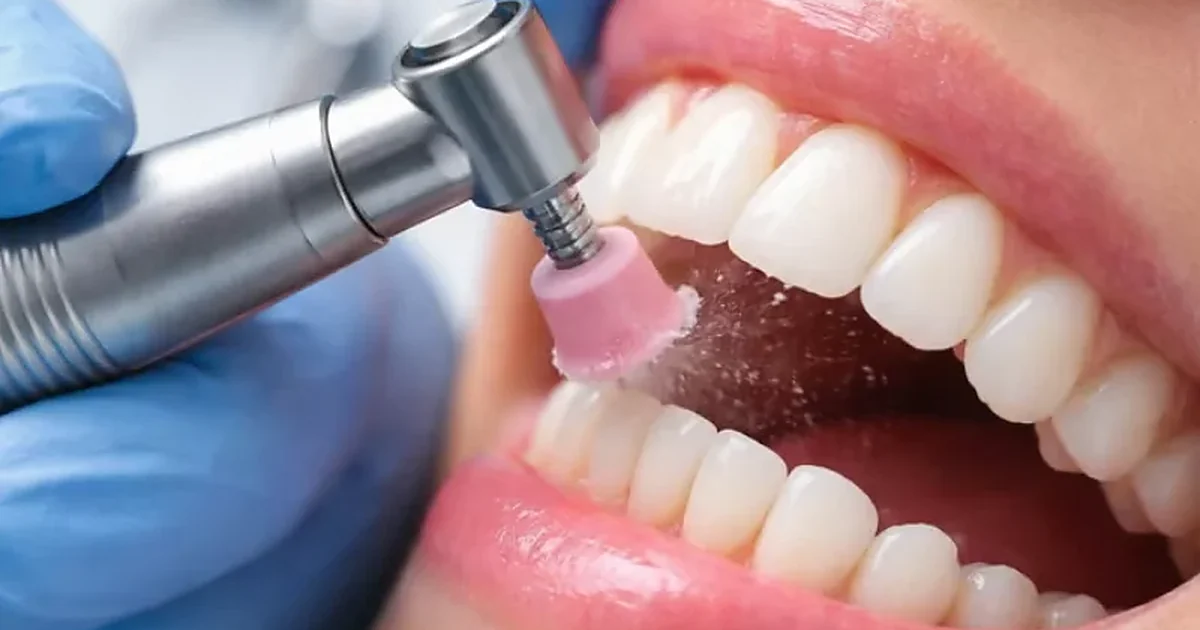
- Professional teeth cleaning: removing plaque and tartar
- Treatment of gum inflammation (gingivitis) and periodontitis → periodontology
- Personalised brushing and flossing instruction
- Diet and lifestyle advice for a healthy mouth
- Fluoride treatments and sealing of molars, especially for children
- Early detection of cavities and gum problems, which they then discuss with the dentist
So the dental hygienist is your partner in prevention: keeping your mouth clean, healthy and one step ahead of problems.
The key differences at a glance
In short, this is how a dentist and a dental hygienist differ:
- Training — dentist: six-year university master's. Dental hygienist: four-year bachelor's.
- Registration — dentist: BIG register. Dental hygienist: Quality Register for Dental Hygienists (KRM).
- Main focus — dentist: diagnosis and restorative treatment. Dental hygienist: prevention and healthy gums.
- Typical treatments — dentist: fillings, crowns, root canals, implants. Dental hygienist: cleaning, tartar removal, brushing advice.
- Referral needed? — neither; you can book directly.
When should you see the dentist?
Make (or keep) an appointment with the dentist for, among other things:
- Toothache → our tips for toothache
- A cavity, or a chipped or damaged tooth → broken tooth: what to do
- A loose or lost filling or crown
- Swelling, an abscess or a persistent infection
- Your routine check-up, usually once or twice a year
- An emergency, such as an accident or acute, severe pain → emergencies
The dentist makes the diagnosis and treatment plan and refers you on where needed — for example to the dental hygienist for a cleaning or gum-treatment programme.
When should you see the dental hygienist?
Make an appointment with the dental hygienist for, among other things:
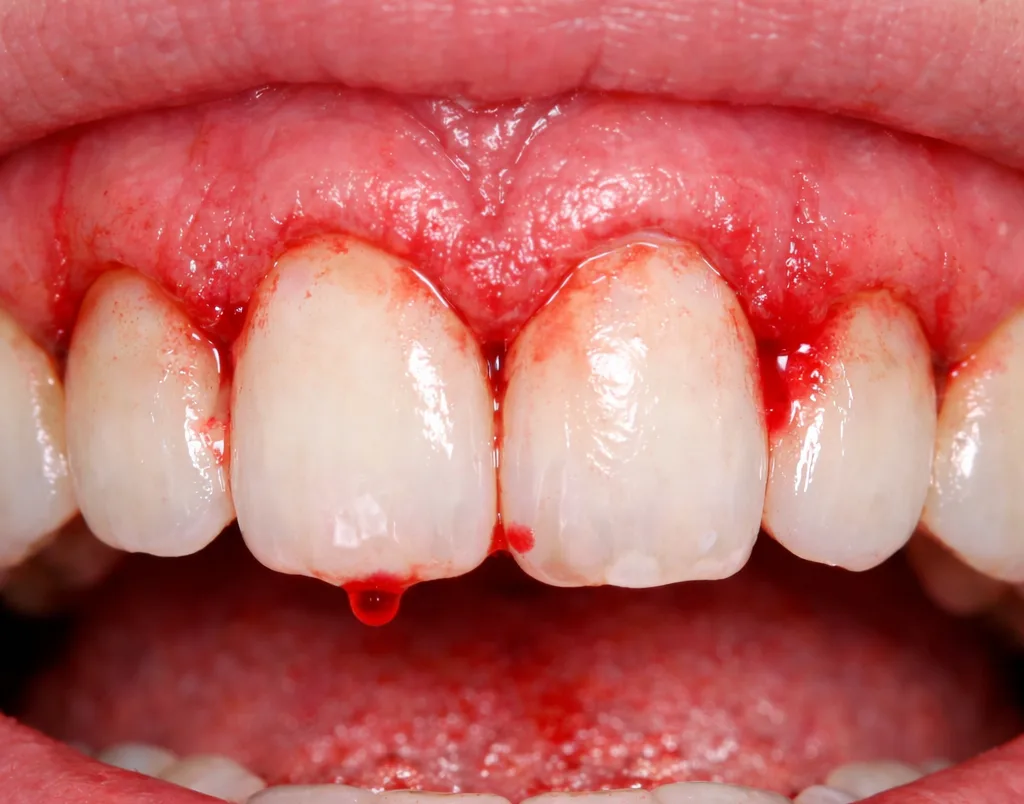
- Bleeding gums when brushing or flossing → bleeding gums
- Tartar you cannot remove yourself
- Bad breath that will not go away
- Sensitive or receding gums
- As part of the treatment of periodontitis (inflammation around the gums and jawbone)
- Simply for a routine professional cleaning and up-to-date brushing advice
Many people combine the two: the dentist for the check-up and repairs, the hygienist for cleaning and prevention.
Do you need a referral for the dental hygienist?
No. In the Netherlands the dental hygienist has been directly accessible since 2006: you may book an appointment directly, without a referral from your dentist. A referral also makes no difference to reimbursement. So you can take the initiative yourself to have your teeth professionally cleaned or your gums checked.
In practice, the dentist and hygienist work closely together. If the hygienist spots an early cavity, they bring in the dentist. If the dentist sees a lot of tartar or early gum inflammation, they refer you to the hygienist. That way, two professionals keep your mouth healthy together.
Is the dental hygienist reimbursed in 2026?
That depends on your age and your insurance:
- Adults (18 and over): the dental hygienist is not reimbursed from the basic insurance (basisverzekering). If you have supplementary dental insurance (aanvullende tandartsverzekering), (part of) the costs are reimbursed. Exactly how much depends on your policy — always check your terms and the annual maximum.
- Children and teenagers (under 18): dental care, including the hygienist, is largely covered by the basic package and reimbursed without an own-risk excess.
Good to know: reimbursements from supplementary insurance are not subject to the own-risk excess (eigen risico). Unsure about your cover? Call your health insurer or just ask us — we are happy to help.
Dentist and dental hygienist under one roof in Utrecht
At Tandartspraktijk Top Lach on Amsterdamsestraatweg 346 in Utrecht you will find both professionals under one roof. Our BIG-registered dentists and our dental hygienists work together in the same team, with short lines of communication and one shared file. That is convenient: you do not have to travel to different addresses, and your dentist and hygienist coordinate your treatment.
Our dental hygiene care is in trusted hands with Burak Agdas and Meryam Mechani. Meryam has more than fifteen years of experience, including with children. Both take the time for a thorough cleaning and a clear explanation. And because our team speaks several languages — Dutch, English, Arabic, Polish, Turkish, Spanish and French — you can always ask your questions in your own language.
Frequently asked questions
Is a dental hygienist the same as a dentist?
No. A dentist has a six-year university education and focuses on diagnosis and treatment, such as fillings, crowns, root canals and implants. A dental hygienist has a four-year bachelor's education and focuses on prevention and gum health, such as cleaning, tartar removal and brushing advice.
Is a dental hygienist allowed to drill and fill?
The dental hygienist focuses mainly on cleaning and prevention. Restorative treatments such as drilling and filling are carried out at Top Lach by the dentist. Hygienist and dentist work closely together so that you always receive the right care at the right time.
How often should I see the dental hygienist?
This varies from person to person. Many people go twice a year, but with sensitive gums or a higher risk of gum inflammation more frequent visits may be needed. Your hygienist or dentist will advise you on the frequency that suits your mouth.
Can I see both at Top Lach?
Yes. At Top Lach in Utrecht you will find both a dentist and a dental hygienist under one roof, so that check-ups, cleaning and treatment connect seamlessly.
Need a dentist or dental hygienist in Utrecht?
Whether you are due for a check-up, a professional cleaning or advice about bleeding gums — at Tandartspraktijk Top Lach you are in the right place for both professionals.
Call 030 320 3210 or register online. New patients are very welcome, and we are happy to help you — in your own language.